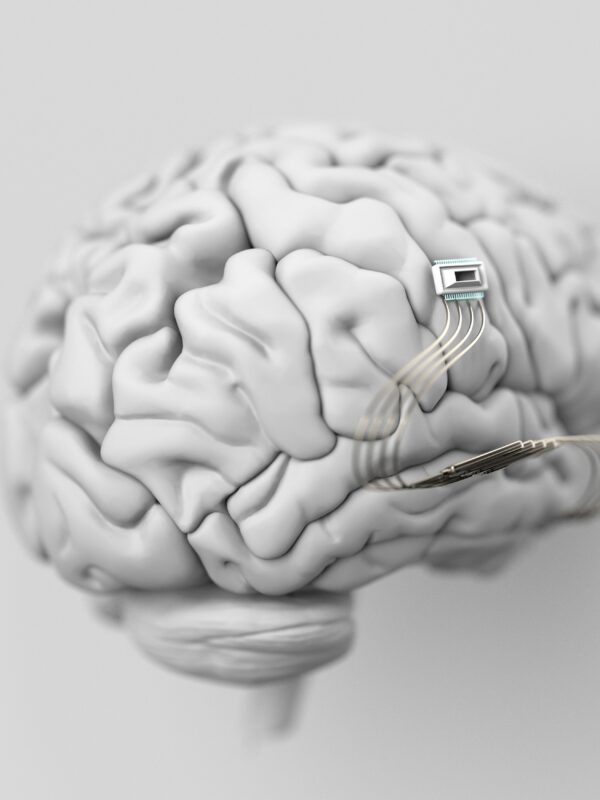

This course examines the rapidly evolving landscape of neurotechnology and its profound implications for human rights law, policy, and ethics. As brain-computer interfaces, neural imaging and cognitive enhancement tools move from laboratory to mainstream application, they raise urgent questions regarding privacy, autonomy, identity, and equal access to transformative technologies. From the potential to restore mobility and communication for persons with impairments, to the risks of surveillance, manipulation, and cognitive discrimination, neurotechnologies carry far-reaching consequences for the full spectrum of civil, political, economic, social, and cultural rights.
Participants will critically analyse how existing human rights frameworks apply to neurotechnological innovation, identify where current protections fall short, and explore emerging concepts such as neurorights and cognitive liberty. Drawing on interdisciplinary perspectives spanning law, neuroscience, bioethics, and public policy, the course equips participants with the analytical tools to engage with real-world regulatory challenges.
By the end of the course, participants will be well positioned to contribute meaningfully to policy development, advocacy, and governance debates shaping the ethical future of neurotechnology.
A downloadable flyer is available here.
By the end of the sessions, participants will be able to:
- Critically evaluate the current and emerging neurotechnology landscape, demonstrating an understanding of key technologies and their implications for realising and protecting interdependent human rights.
- Analyse and apply the existing international human rights frameworks to neurotechnology development contexts, identifying gaps in legal protections and assessing the adequacy of current oversight/regulatory approaches.
- Integrate interdisciplinary perspectives from neuroscience, bioethics, law and public policy to construct evidence-based legal arguments addressing the complex human rights challenges posed by neurotechnological innovation.
- Articulate and critique emerging concepts in the discourse of neurotechnological innovation and its intersection with the rights of diverse communities, including vulnerable and marginalised groups such as older persons, children and persons with disabilities.
- Elaborate and communicate policy recommendations or advocacy strategies that can promote human rights-centred approaches to the governance and deployment of neurotechnologies across diverse legal and cultural contexts.
Dr. Jonathan Andrew is a human rights lawyer with expertise in privacy, data security and data protection law. His diverse professional experience in the tech sector, as well as the humanitarian sphere, provides a unique insight into complex legal questions concerning the development emerging technologies.
Dr. Andrew has extensive experience working with the Special Procedures of the UN Human Rights Office (OHCHR) and has assisted six mandates as a Senior Adviser. He has authored and contributed toward publications for UN agencies including OHCHR, IOM, UNCTAD, UNICEF. As a Research Fellow based at the Geneva Academy of IHL and Human Rights, Dr. Andrew has worked closely with the UN Human Rights Council and its Advisory Committee on resolutions and has authored several reports to guide their deliberations. Most recently, he drafted the Position Paper for the Special Rapporteur on the promotion and protection of human rights and fundamental freedoms while countering terrorism, ‘Protecting Human Rights while Using Artificial Intelligence to Counter Terrorism’.
Dr. Andrew has also provided guidance to multiple EU Commission research projects and is an Advisory Board Member to PredictAYA, an EU-funded medical research project led by the Karolinska Institute to improve the understanding of late effects of cancer treatment in adolescents and young adults (AYAs) across Europe. He is also a Visiting International Fellow at the Pufendorf Institute at Lund University.
- Thursday 20 August, 12:00 to 13:00 – Introduction
- Tuesday 25 August, 12:00 to 14:00
- Thursday 27 August, 12:00 to 14:00
- Wednesday 2 September, 12:00 to 14:00
- Thursday 3 September, 12:00 to 14:00
- Tuesday 8 September, 12:00 to 14:00
- Thursday 10 September, 12:00 to 14:00
- Tuesday 15 September, 12:00 to 14:00
Please send an email to digital.academy@geneva-academy.ch with a CV and a motivation letter letter expressing your interest in the specific course.
Selected applicants will receive a confirmation of acceptance. To secure their place, accepted participants are required to pay a non-refundable deposit of CHF 100.
Please note that this course is subject to a minimum of 10 participants. If this minimum is not reached two weeks prior to the start date, this course will not be delivered and all registered participants will receive a full refund of the deposit. Places are limited to 25 participants, and therefore early application is strongly encouraged.
CHF 950.
A discount of CHF 100 is available for students and alumni of the Academy, UNIGE, IHEID, and individuals who have previously participated in our trainings or educational activities.
The fee for one summer intensive course will be refunded for anyone who is then accepted into our Executive Master – MAS. Read more >
3 ECTS credits can be awarded to participants who successfully pass the final assignment, graded by the course professor. ECTS credits are available exclusively to post-graduate students, i.e. those who have already completed a bachelor’s degree.