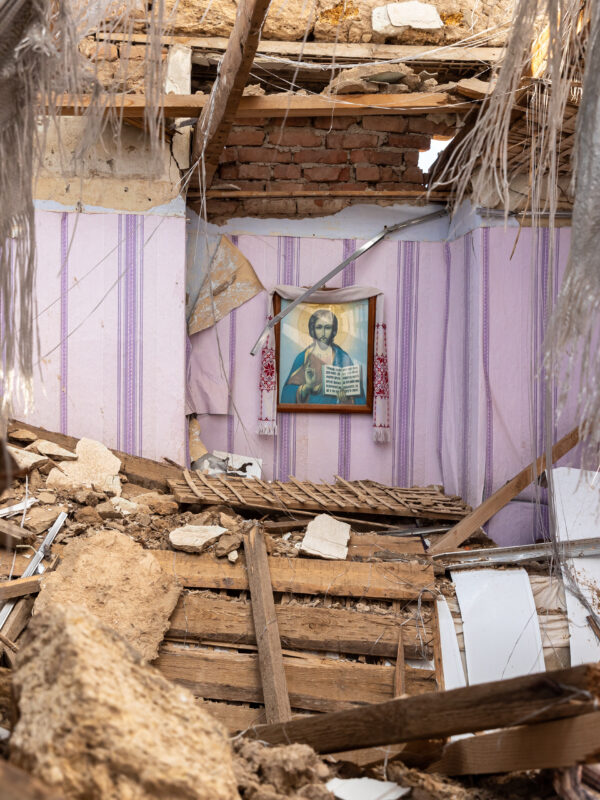
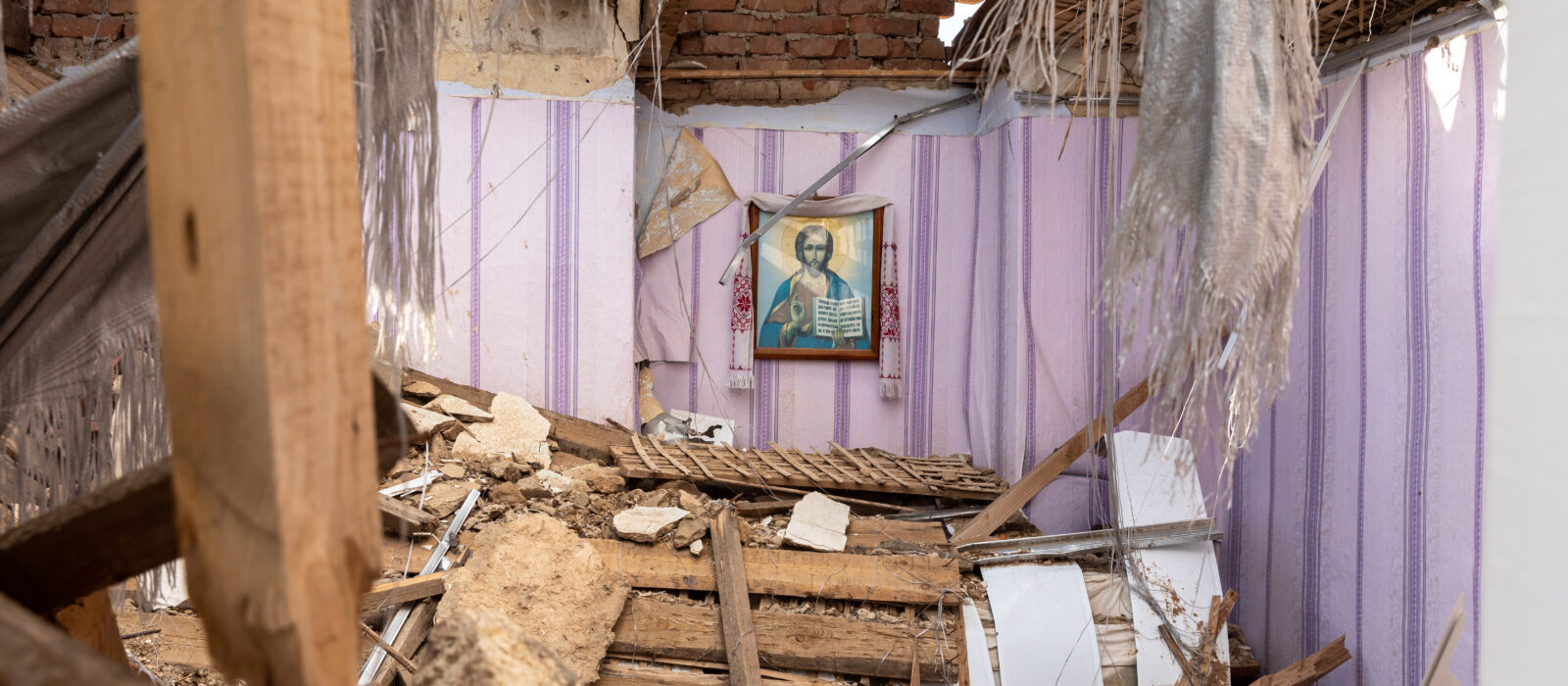
The course will explore the widening landscape of mechanisms, bodies and initiatives that contribute to protecting cultural property from the threats occasioned by armed conflict. It will start by outlining the applicable international legal framework (including the Hague and Geneva Conventions and related Protocols) and by considering the complementary role that other international regimes (such as Human Rights Treaties and the World Heritage Convention) may play.
Having thus appreciated the different but overlapping layers of protection, we will study the various bodies and tools that, over the past decades, have contributed to monitoring and enforcing compliance with international rules. The analysis will delve into the contemporary practice of international organs (both of a judicial and a quasi-judicial character) that have addressed episodes of damage and destruction of cultural property. Besides international courts, the course will focus on the role that treaty-based committees and fact-finding mechanisms play in cultural property protection.
Moving from the international to the national level, the course will conclude by considering several initiatives at the domestic level (including national legislation, military manuals and specialized bodies) that may result in a more robust implementation of governing standards.
A downloadable flyer is available here.
By the end of the sessions, participants will be able to:
- Identify the main threats experienced by cultural property in times of armed conflict, and the ways in which international law responds to them;
- Distinguish between the different legal frameworks protecting cultural property during armed conflict;
- Appreciate the strengths and weaknesses of traditional enforcement mechanisms in relation to cultural property protection;
- Get to know the more recent (and sometimes unexpected) bodies that contribute to enforcing the protection afforded cultural property in times of armed conflict;
- Familiarize with national tools and initiatives that translate international obligations into national policies and practices.
Francesco Romani is a researcher and lecturer specialized in international humanitarian law, cultural heritage law and human rights law. He is Visiting Professor on international responsibility and litigation at the Catholic University of Lille and has been invited to give lectures and seminars on international law topics in Switzerland (University of Geneva), France (University of Aix en Provence/Marseille) and Italy (Borromeo College, University of Pavia and Università del Piemonte Orientale). He is the author (on top of other publications of a scientific and policy character) of Belligerent Reprisals from Enforcement to Reciprocity: A New Theory of Retaliation in Conflict (Cambridge University Press, 2024).
Francesco has worked as Research Fellow at the Geneva Academy of International Humanitarian Law and Human Rights, where he coordinated the IHL Expert Pool and the Geneva IHL Lab and contributed to different research and teaching projects. Prior to that, he was a post-doctoral researcher at the Art-Law Centre of the University of Geneva, where he acted as Principal Investigator for the Swiss National Science Foundation project titled ‘The Temporal Dimension of Sovereignty in Light of the Restitution of Cultural Artefacts’. He also worked for the ICRC’s Customary International Humanitarian Law Project at the Lauterpacht Centre, and was a Research Associate at Wolfson College (University of Cambridge).
Francesco holds a PhD in International Law from the Graduate Institute of International and Development Studies of Geneva. He was a Grotius Research Scholar at the University of Michigan Law School, and a Visiting Researcher at Harvard Law School and at the Max Planck Institute for Comparative Public Law and International Law.
- Wednesday 15 July 2026, 12:00 to 13:00 – Introduction
- Friday 17 July 2026, 12:00 to 14:00
- Monday 20 July 2026, 12:00 to 14:00
- Wednesday 22 July 2026, 12:00 to 14:00
- Wednesday 29 July 2026, 12:00 to 14:00
- Friday 31 July 2026, 12:00 to 14:00
- Monday 3 August 2026, 12:00 to 14:00
- Wednesday 5 August 2026, 12:00 to 14:00
Please send an email to digital.academy@geneva-academy.ch with a CV and a motivation letter letter expressing your interest in the specific course.
Selected applicants will receive a confirmation of acceptance. To secure their place, accepted participants are required to pay a non-refundable deposit of CHF 100.
Please note that this course is subject to a minimum of 10 participants. If this minimum is not reached two weeks prior to the start date, this course will not be delivered and all registered participants will receive a full refund of the deposit. Places are limited to 25 participants, and therefore early application is strongly encouraged.
CHF 950.
A discount of CHF 100 is available for students and alumni of the Academy, UNIGE, IHEID, and individuals who have previously participated in our trainings or educational activities.