Executive Master of Advanced Studies in International Law in Armed Conflict: What Students Say – Christian Viegelahn
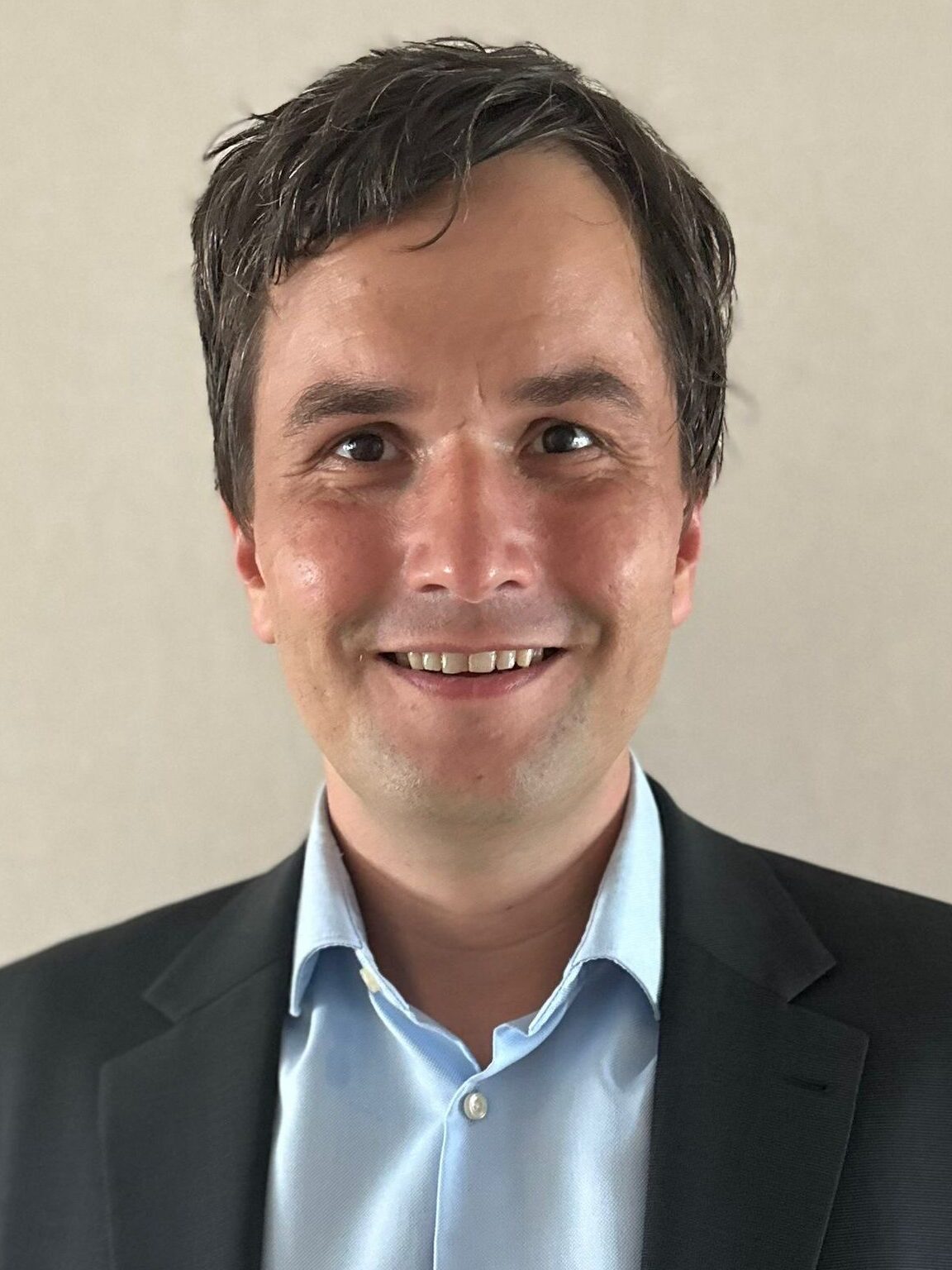
Christian Viegelahn, Labour Economist at the International Labour Organization’s Regional Office for Asia and the Pacific in Bangkok, tells about his experience taking our Executive Master of Advanced Studies.
Could you tell us about your background and your current role?
I am currently the Labour Economist at the International Labour Organization’s Regional Office for Asia and the Pacific in Bangkok.
I am an economist with a PhD in Economics. Before joining the Bangkok Office, I served as Employment Specialist in the ILO Office for Pacific Island Countries in Suva, where I supported governments and social partners across several island states on employment and labour market policies. During that time, I also had the opportunity to act as Officer-in-Charge of the office, which gave me valuable exposure to the operational and diplomatic dimensions of international development cooperation.
What motivated you to join this programme?
I have always been interested in international law. In my work, I believe in the importance of connecting the dots and adopting a holistic approach to complex policy challenges. The programme offers a unique opportunity to broaden my perspective by complementing my economic and policy background with a legal dimension, while also helping me engage more effectively with policy challenges, including in crisis and post-conflict settings.
How IS your experience with the professors?
The experience has been outstanding. The programme brings together leading scholars and practitioners in international law, and the fact that the lectures speak directly to current real-world policy and humanitarian challenges creates a very stimulating learning environment. While the programme is demanding, it is also incredibly rewarding to develop an informed legal perspective on current global events through the programme.
How HAVE you balanceD the programme with your professional life?
Balancing the programme with a full-time professional role is certainly not easy and requires discipline. However, the availability of online lectures recordings and the fact that reading lists are shared before each course provide some flexibility and make it manageable.
How has it contributed to your career?
By complementing my background in economics and labour policy with a deeper understanding of international law, the programme is strengthening my ability to engage with some of the complex real-world challenges that the UN, and organizations such as the ILO, are dealing with today. I believe that an interdisciplinary perspective is particularly valuable in international organizations and helps prepare me for future leadership roles where economic, legal and political considerations intersect.